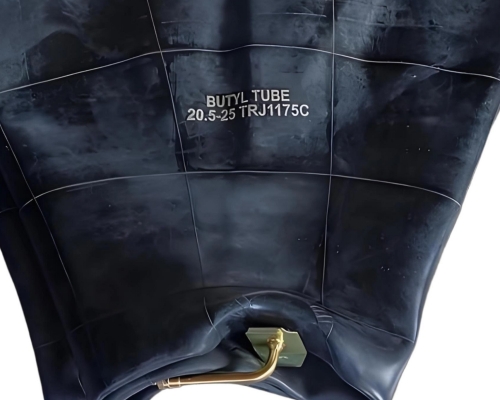
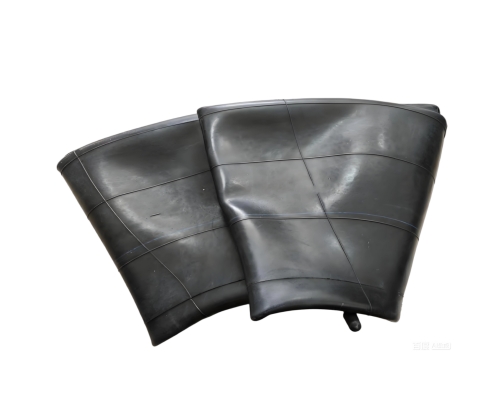
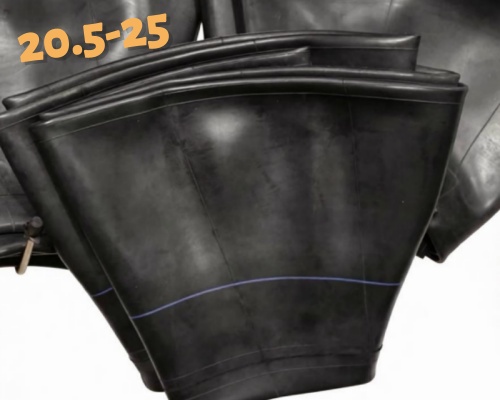
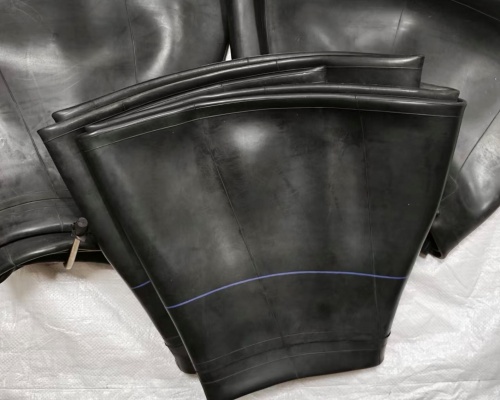
- Butyl Rubber Tubes: Synthetic butyl has tightly packed molecules, making it highly impermeable to gases. It holds air pressure for months without requiring top-offs. This consistent pressure is vital for maintaining tire fuel efficiency and preventing sidewall flex damage.
- Natural Rubber Tubes: Natural rubber is naturally microscopic-porous. Air continuously and slowly migrates through the tube walls, requiring frequent pressure checks and maintenance to avoid running the tire under-inflated.
- Butyl Rubber Tubes: It inherently handles the high internal cavity temperatures generated by continuous long-distance hauling or heavy braking. It also resists environmental exposure well, giving it a much longer shelf-life without dry-rotting.
- Natural Rubber Tubes: Continuous exposure to temperatures exceeding 70–80°C causes natural rubber to experience thermal reversion—a process where the polymer chains break down, turning the tube sticky, gummy, and structurally weak. It also degrades quickly when exposed to sunlight and atmospheric ozone.
- Butyl Rubber Tubes: While highly reliable, it lacks structural "toughness" when damaged. If a sharp object penetrates the tire casing and pierces a butyl tube, the concentrated pressure tends to split or rip the tube open instantly, causing rapid air loss.
- Natural Rubber Tubes: It possesses incredibly high tensile strength and tear resistance. If a natural rubber tube is punctured, the material grips the penetrating object or keeps the hole small. This results in a much slower, safer deflation rate and makes the tube easier to patch and repair in the field.