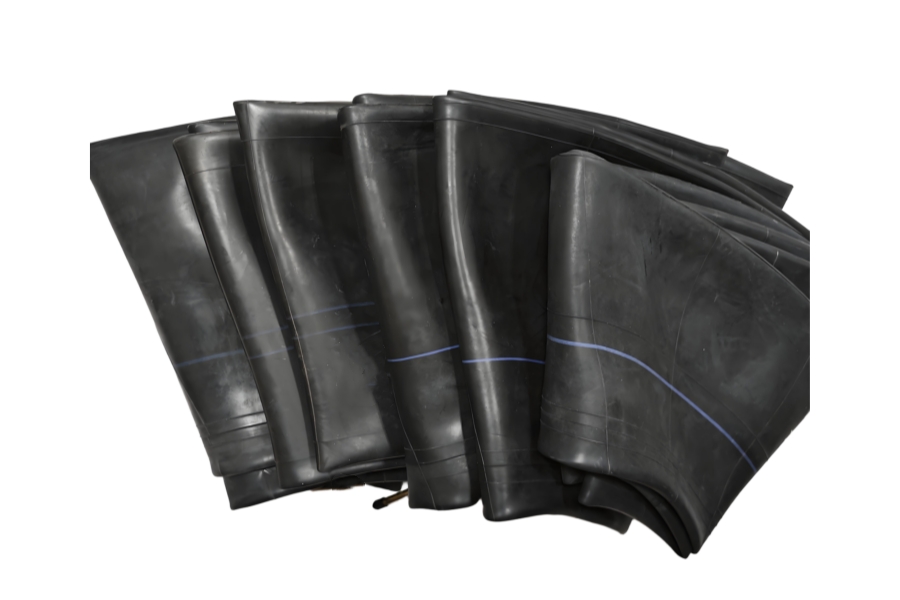
When sourcing commercial truck inner tubes, distinguishing a high-performance butyl tube from a substandard alternative requires looking beyond basic specifications. Below is a practical, three-step inspection framework to help you verify manufacturing quality before placing bulk orders.
1. Physical & Sensory Inspection (Pre-Installation Checks)
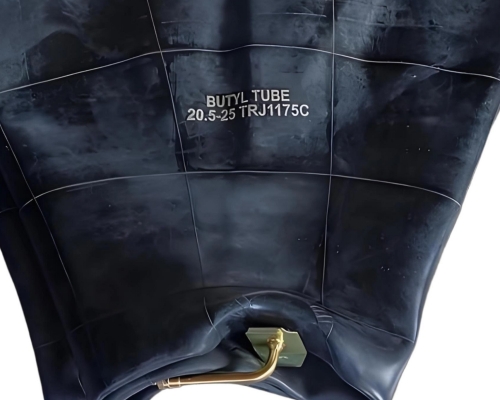
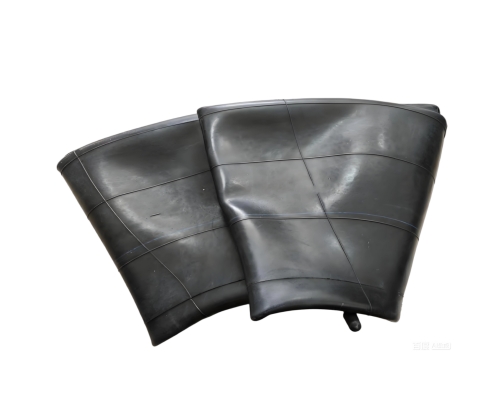
• Surface Finish & Splice Precision: A well-manufactured butyl tube displays a consistent, non-glossy dark finish without white chalking or bloom. Pay close attention to the splice (butt-joint). Top-tier factories use precision vulcanization molds that fuse the ends seamlessly, leaving a smooth, flush transition rather than a thick, overlapping ridge that creates weak points under pressure.
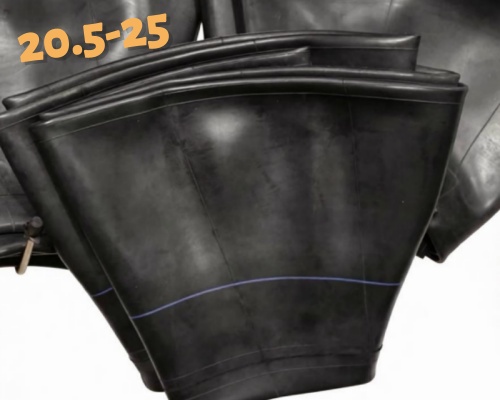
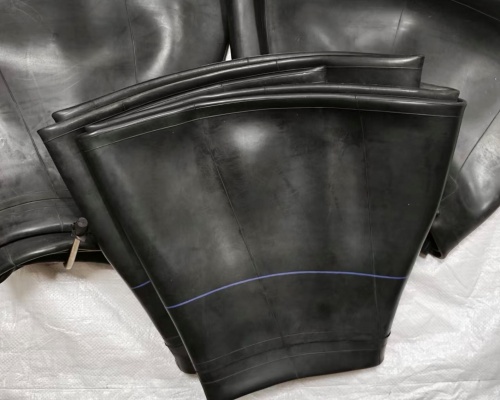
• Wall Gauge Consistency: Partially inflate the tube until it takes shape, then run your fingers along both the inner crown and outer sidewall. The wall thickness should feel completely even all the way around. Any thin spots—especially along the inner ring—will stretch unevenly once mounted, leading to premature failure under heavy axle loads.
• Compound Odor: Pure butyl rubber carries only a mild, neutral industrial scent. If a tube gives off a harsh, overwhelming chemical or burnt smell, it typically indicates a high percentage of reclaimed rubber or cheap filler oils, which rapidly degrade air retention.
• Tensile Recovery: Grip a small section of the rubber wall and pull firmly. Quality butyl offers dense resistance and snaps back cleanly to its original dimensions the moment you let go, leaving zero stress marks or whitening on the surface.
2. Valve Stem & Base Bonding Integrity
The valve assembly endures extreme mechanical stress during heavy braking and acceleration, making it the most common failure point on low-grade tubes.
• Stem Metallurgy: Inspect the valve stem (such as standard bent TR179A or V3-series truck valves). Reliable tubes use solid brass or high-grade corrosion-resistant alloys with cleanly machined threads and an airtight core. Avoid tubes fitted with lightweight, zinc-plated iron stems, as they are prone to thread stripping, rust, and snapping during inflation checks.
• Base Pad Vulcanization: Examine the rubber base pad anchoring the metal stem to the tube body. On a durable tube, this reinforced pad is deeply vulcanized into the main casing with zero lifting around the edges. Under high-torque driving conditions, an improperly bonded base pad will shear away from the tube, causing instant deflation.
3. Thermal Stability & Air-Holding Performance
• Long-Term Pressure Retention: Because pure butyl possesses a dense molecular structure, it acts as a superior air barrier. Commercial fleets using high-purity tubes experience minimal pressure drop over months of operation, reducing maintenance downtime and uneven tire wear.
• High-Temperature Endurance: Continuous highway hauling easily drives internal tire temperatures into the 80°C to 100°C (176°F–212°F) range. While blended or natural rubber tubes soften, turn sticky, or become brittle under sustained heat, high-grade butyl retains its structural elasticity and tensile strength, preventing heat-induced blowouts