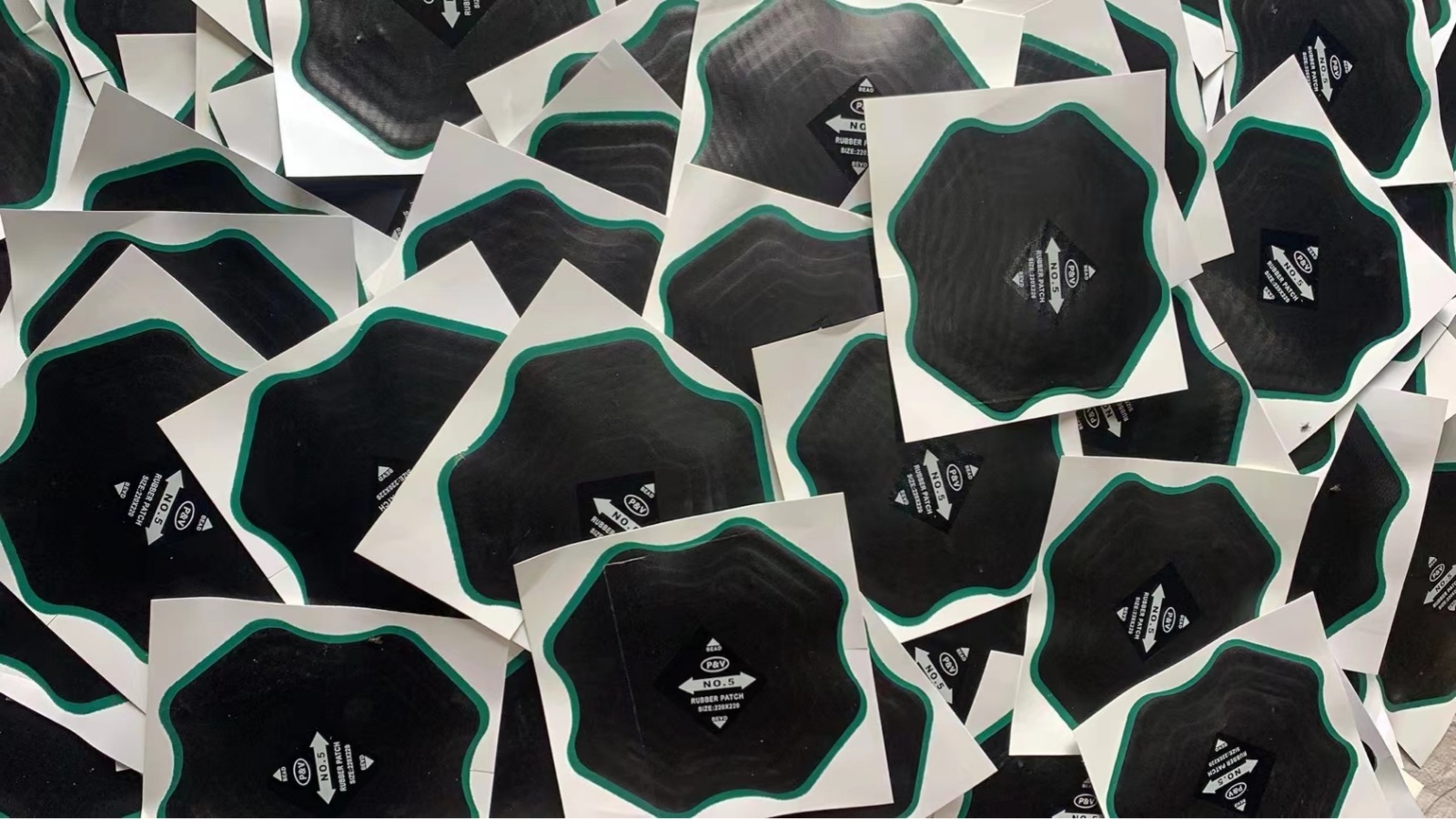
Cold Tire Repair Patches: Key Applications & How to Choose the Right Patch
In commercial tire maintenance and automotive service shops, cold repair patches (also known as cold vulcanizing patches or chemical tire patches) are essential for restoring damaged tires safely and permanently. Unlike traditional hot vulcanization that requires bulky heating equipment, cold patches rely on a chemical reaction between the patch's active bonding layer and vulcanizing cement to fuse directly into the rubber at ambient temperature.
Whether you operate a fleet maintenance facility, a tire retreading shop, or a regional parts distribution business, understanding the distinct categories of cold patches ensures reliable, blowout-free repairs across every vehicle type.
1. Inner Tube Puncture Sealing
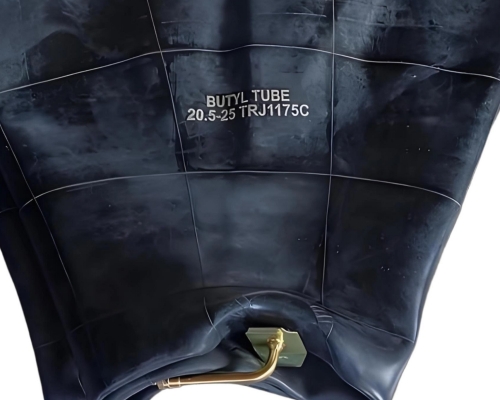
Sealing punctured inner tubes remains the foundational use for standard feather-edge cold patches. They are widely used across bicycles, motorcycles, forklifts, agricultural tractors, and heavy-duty commercial trucks when sharp debris—such as nails, wire, or glass—pierces the tube wall.
• Application Workflow: Technicians mechanically or manually buff the area surrounding the pinhole to remove mold release agents, apply a thin coat of cold vulcanizing fluid, allow it to tack dry, and stitch the patch firmly onto the tube.
• Performance Result: Once bonded, the patch becomes an integral part of the butyl or natural rubber tube, flexing seamlessly under inflation without peeling or leaking air.
2. Tubeless Tire Tread Repairs (Passenger & Light Truck)
For modern tubeless tires found on passenger cars, SUVs, and delivery vans, cold patches applied from the inside out represent the industry-approved standard for permanent puncture repair.
• Standard Inner-Liner Patching: When a nail or screw creates a clean puncture in the crown area (typically up to 6mm in diameter), a universal cold patch applied to the tire's inner liner creates an airtight barrier that withstands highway speeds and heat buildup.
• One-Piece Combination Units (Mushroom Plugs): For maximum protection, technicians use combi-units (mushroom plugs) that pair a reinforced cold patch base with an integrated rubber stem. While the patch cap seals the inner liner against air loss, the stem completely fills the injury channel—blocking moisture, road salt, and grit from reaching and rusting the internal steel belts.
3. Structural Carcass Reinforcement (Radial & Bias-Ply Tires)
Commercial truck, OTR (Off-The-Road), and agricultural outer casings endure immense load stress and sidewall flexing. When an impact or deep cut damages the internal cord structure, a simple rubber seal is not enough—the tire requires structural reinforcement.
• Engineered Cord Layers: Specialized radial tire patches and bias-ply repair patches are built with internal plies of high-tensile nylon or aramid cords engineered to match the flex direction of the specific tire construction.
• Load-Bearing Protection: When bonded over an interior casing injury, these heavy-duty reinforced patches carry the mechanical load in place of the severed cords. This prevents dangerous sidewall bulges, tread separation, and catastrophic blowouts under heavy axle loads.