Tire Curing Bladders (Bags): Essential Handling, Mounting & Press Operation Guide
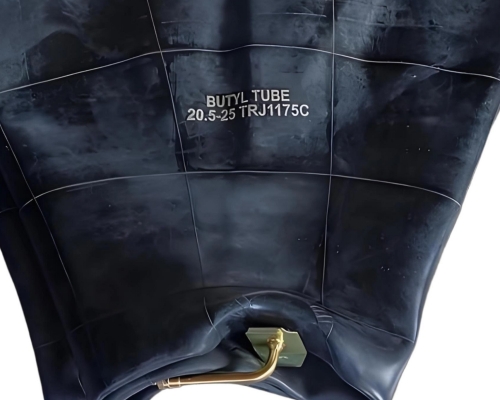
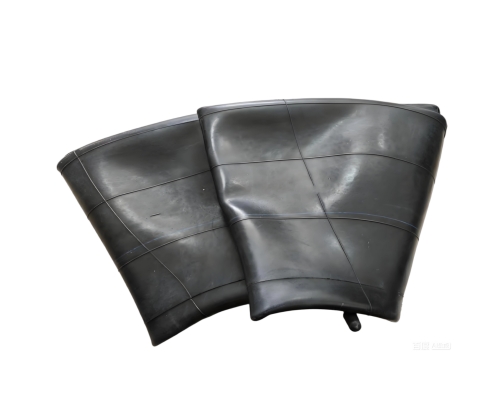
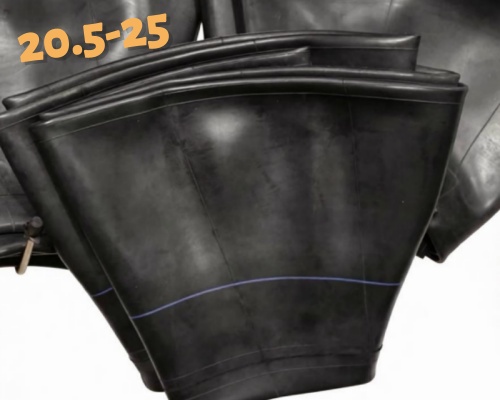
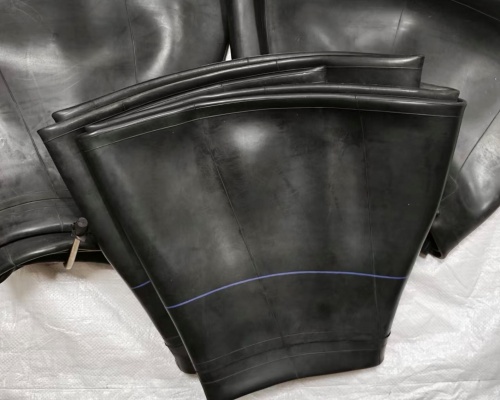
In modern tire manufacturing, tire curing bladders (commonly referred to as tire curing bags) are engineered from high-purity, heat-conductive butyl rubber compounds. Their superior thermal transfer efficiency and high elongation elasticity ensure uniform vulcanization, clean shaping, and smooth post-cure stripping inside hydraulic or mechanical curing presses.
However, because curing bladders operate under extreme internal steam/hot-water pressures and continuous flexing cycles, improper handling or press setup can lead to premature cracking, asymmetric distortion, or bladder blowouts.
Adhere to the following strict operational guidelines to maximize bladder cycle life and maintain consistent tire molding quality.
1. Environmental Storage Standards
• Protect from UV Light & Ozone: Store unused curing bladders in a cool, dark, and dry warehouse away from direct sunlight, high-voltage electrical equipment, welding stations, and electric motors (which generate ozone that causes surface crazing and rubber degradation).
• Prevent Physical Distortion: Keep bladders stored flat or on dedicated contoured racks—never stack heavy pallets on top of them or hang them on sharp hooks that could crease the bead clamping area.
2. Press Mounting & Clamp Ring Inspection
• Verify Clamp Ring Integrity: Follow the press manufacturer’s installation manual precisely. Before clamping the bladder into the press, inspect both the upper and lower mounting rings for nicks, burrs, rust, or warped surfaces—any mechanical imperfection at the bead seat can pinch or tear the bladder under high internal pressure.
• Pre-Treat Before Installation: Prior to mounting a new bladder into the curing press, apply a recommended bladder pre-treatment coating to condition the rubber surface and ease initial break-in cycles.
3. Pre-Heating & Warm-Up Protocols
• Full Thermal Conditioning: Never subject a cold curing bladder to full production molding pressure immediately. Before starting normal production runs, operate the press through its specified warm-up sequence until the bladder reaches uniform operating temperature.
• Control Pre-Inflation Diameter: When pre-inflating the bladder during warm-up, ensure its expanded outer diameter never exceeds the outer diameter of the tire mold’s sidewall plate. Over-inflating an unconfined bladder causes permanent, non-symmetric stretching and uneven wall thinning.
• Re-Warm After Press Downtime: If production is interrupted and the bladder cools down, always run a complete warm-up cycle again before resuming curing operations.
4. Heating Medium & Water Treatment
• Neutralize Dissolved Oxygen: In hot-water or steam/water curing systems, heavily oxygenated circulation water rapidly oxidizes and hardens the interior wall of butyl bladders. Treat your press water system with oxygen scavengers and proper chemical inhibitors to prevent internal thermal-oxidative cracking.
5. Coatings & Green-Tire Inside Lubricants
• Apply Inside Green-Tire Paint: To prevent trapped air pockets, rubber sticking, and tearing during post-cure stripping, coat the interior of every uncured green tire with a properly formulated inside tire lubricant (silicone/mica-based inside paint).
• Use Semi-Permanent Bladder Coatings: For maximum release performance and extended bladder service life, apply a semi-permanent bladder coating directly onto the bladder exterior. This reduces friction during shaping, minimizes lube buildup in the mold, and significantly increases total curing cycles per bladder.