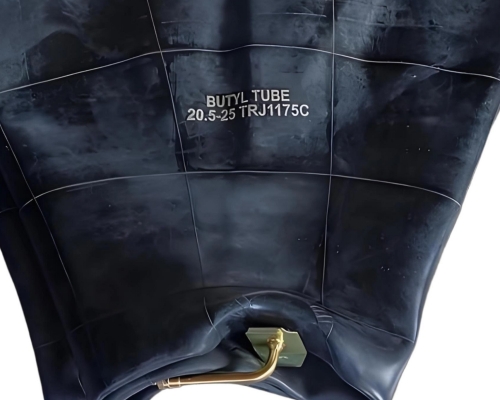
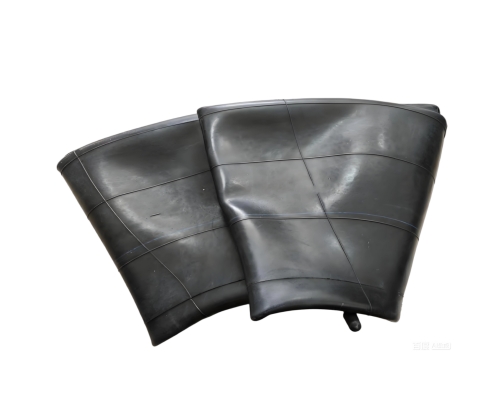
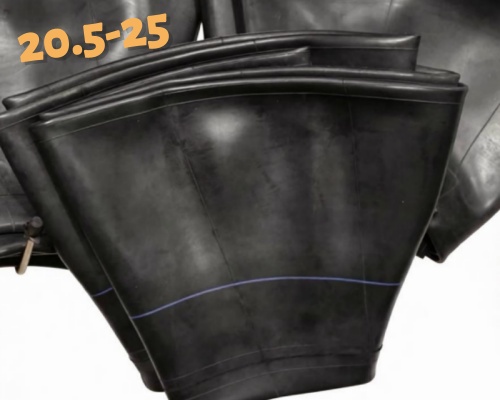
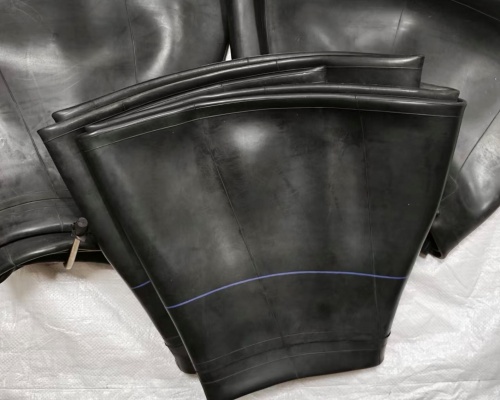
How to Extend the Service Life of Tire Curing Envelopes: 4 Best Practices for Retread Plants
In precure tire retreading operations, vulcanized curing envelopes (often referred to as retread curing sleeves or vacuum envelopes) are among the most critical and expensive consumables on the production floor. Subjected to continuous autoclave chamber temperatures of 100°C to 140°C (212°F–284°F) alongside intense pneumatic stretching and vacuum cycling, envelope replacement directly impacts your cost per retreaded tire.
While neglected envelopes may fail after just 40 to 60 heats, implementing disciplined shop-floor handling allows premium-grade curing envelopes to reliably achieve 150+ curing cycles.
Below are four essential operational practices to maximize envelope longevity, protect buffed casings, and eliminate costly mid-cure blowouts.
1. Enforce Complete Post-Cure Cooling Before Reuse
Immediately after exiting the curing autoclave, the rubber elastomer chains inside a hot envelope remain thermally softened and under residual mechanical stress.
• Why Hot Cycling Fails: Mounting a warm envelope directly onto another cold buffed casing accelerates thermal fatigue, permanent elasticity loss, and rapid sidewall splitting.
• Shop-Floor Best Practice: Maintain an adequate envelope inventory and follow a strict rotation schedule so every envelope returns completely to ambient room temperature before entering the next curing cycle.
2. Match Envelope Sizing Strictly to Tire Casing Dimensions
Every curing envelope is engineered with a specific stretch ratio tailored to exact tire diameters, section widths, and tread profiles.
• Avoid Undersized Over-Stretching: Forcing a tight envelope onto an oversized casing thins out the rubber wall excessively—creating severe tension along the tire shoulder and high blowout risks inside the chamber.
• Prevent Oversized Creasing: Conversely, a loose envelope will fold, wrinkle, or pinch when vacuum is pulled. Curing repeatedly over the same fold line causes permanent flex-fatigue cracks. Always consult the manufacturer's verified tire-to-envelope sizing chart.
3. Conduct Pre-Cure Internal Light Inspections
Detecting minor wear before loading a tire into the autoclave saves both the envelope and a valuable commercial truck casing.
• Internal Light Scan: Before every mounting cycle, place a high-intensity inspection lamp inside the envelope to check for micro-pinholes, hairline cracks, abrasion spots, and early signs of rubber reversion (stickiness or hardening).
• Vacuum Valve & Seal Check: Inspect the vacuum valve base and sealing edges for loose fittings, torn rubber, or debris buildup. Even a slight vacuum leak compromises tread-to-casing bonding pressure and forces the envelope to overwork.
4. Apply Proper Silicone Lubrication & Store Off the Floor
Mechanical friction and environmental exposure are two of the fastest ways to ruin high-grade curing rubber.
• Daily Silicone Envelope Oil: Coat the interior wall with a specialized, non-migrating silicone envelope lubricant daily—or whenever the surface begins feeling tacky against uncured cushion gum. Proper lubrication prevents tearing during mounting, demounting, and vacuum draw-down.
• Clean, Elevated Rack Storage: Never drag, drop, or roll curing envelopes across rough concrete factory floors, as embedded grit quickly punctures the rubber. When idle, store envelopes on smooth, rounded racks or in clean bins away from direct sunlight, steam pipes, and electric motors (which emit ozone that cracks rubber).